Why AI Makes a Difference for Today’s Web Design
Contemporary web design is no longer just about seeming refined. It has to foster engagement, direct users toward a next step, and provide a more seamless experience across screens and channels. Here is where AI becomes valuable. With AI-powered personalization, a website can adapt content, layouts, and recommendations based on visitor behavior, location, and intent. For businesses trying to improve conversion rate optimization, this level of adaptation can make a clear difference.
AI also enhances user experience (UX) by helping teams identify friction points sooner. Instead of wondering why users leave, designers can use analytics and behavioral patterns to understand what improves usability, accessibility, and retention. In real-world terms, AI supports more effective decisions about navigation, content placement, and interactive elements that increase relevance and reduce wasted clicks.
For companies competing in Rochester, this matters even more. The local market includes a broad mix of small businesses, professional services, and B2B organizations, all trying to earn attention in a crowded digital environment. AI helps brands move beyond generic layouts and build websites that are optimized for performance, authority, and conversion.
In what way do Rochester, NY Businesses Gain from AI-Driven Engagement
The Rochester, NY business landscape is wide-ranging and highly competitive overall. From downtown firms serving professional clients to service providers in Brighton, Irondequoit, and Greece, businesses need websites that support both discovery and trust. AI-driven engagement helps companies understand what local visitors want, how they browse, and what content is most likely to move them closer to a lead.
In this market, digital marketing and web design should operate together. A website that looks good but does not align with local search behavior will have trouble to generate traffic and visibility. Likewise, a site that ranks but fails to hold attention will not create enough retention or lead generation. AI can bridge that gap by connecting design choices with audience behavior, search intent, and conversion goals.
For example, a Rochester service business may attract visitors from Downtown Rochester during work hours, from Brighton after commuting, or from Greece and Irondequoit through mobile search. AI can help tailor content and calls to action for those users based on location, time of day, and device type. That makes the experience feel more relevant and improves response rates.
Local SEO also becomes more powerful when AI is used strategically. It can uncover patterns in regional search demand, help refine service-area messaging, and support more accurate content planning for Monroe County audiences. When combined with strong local reviews and a well-optimized Google Business Profile, the result is increased credibility and more qualified traffic.
Key Components of an AI Web Design Strategy
An effective AI web design strategy starts with organization. Before adding tailoring or automated features, the site must have a reliable foundation built around website architecture, content hierarchy, and call-to-action placement. AI tools can study how users move through pages and identify where they stall, move too slowly, or abandon the journey.
Website architecture should make navigation easy. Visitors should be able to move from service pages to contact forms or location-specific pages without confusion. AI can identify the most common paths and suggest structural improvements that support usability and conversion. This is especially useful for bigger sites with multiple service lines, industries, or service areas.
Content hierarchy matters because users scan before they read. Headings, summaries, and supporting details need to be arranged in a way that fits reader intent. AI can help content teams prioritize information so the most important points appear early and reinforce relevance. That improves engagement and reduces bounce rate.
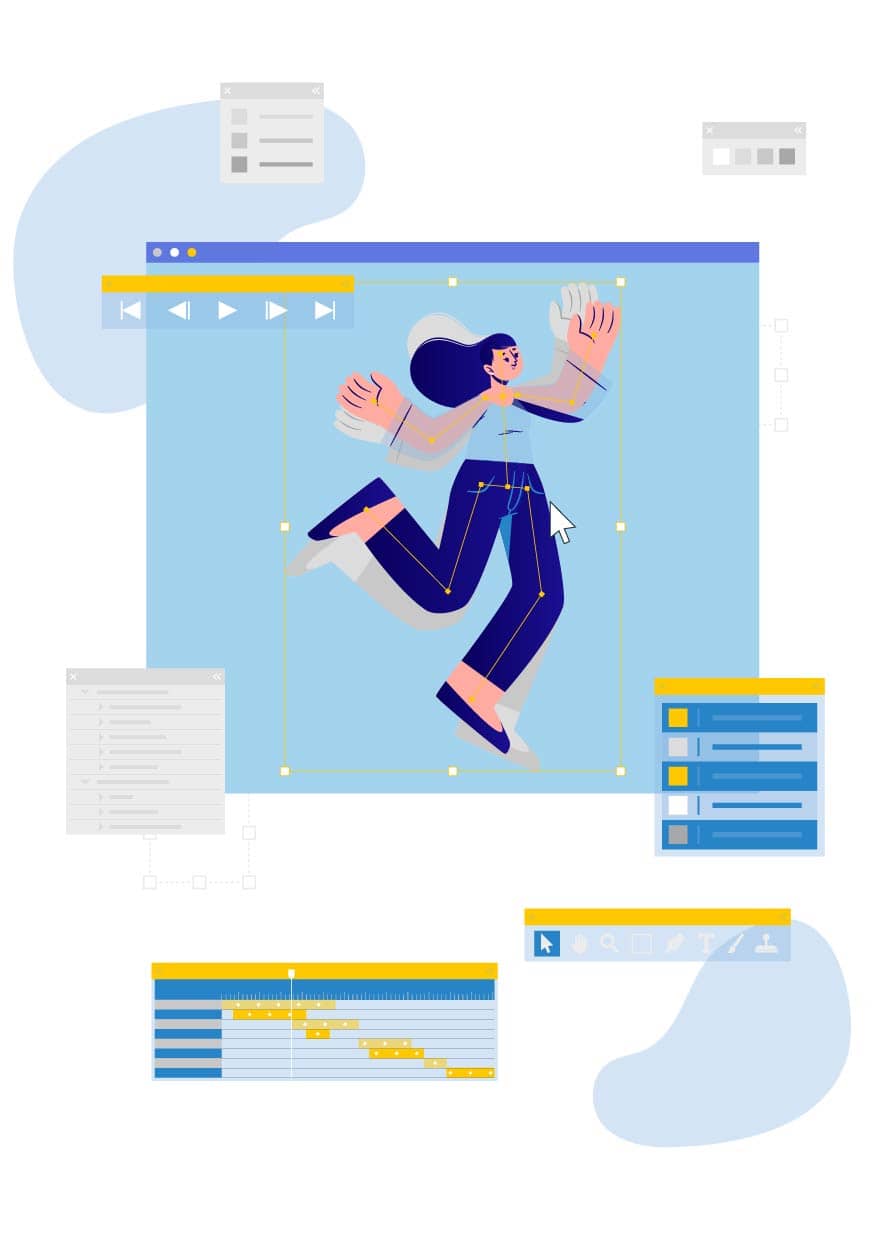
Call-to-action placement is another critical part of the framework. A well-placed call-to-action (CTA) should appear where interest is highest, not just where there is room on the page. AI can evaluate click behavior to determine whether a CTA works better above the fold, after a benefit section, or near proof points like reviews and testimonials. The goal is to make conversion feel smooth rather than forced.
Leveraging AI to Boost SEO Services and Search Visibility
AI is also changing SEO services by making optimization more precise. Rather than targeting broad terms blindly, teams can use AI to assess keyword intent and match content to what users actually want. That helps pages answer informational, commercial, or local intent more effectively, which boosts visibility and relevance.
One of the biggest advantages is the ability to connect content decisions with search data. AI can spot which phrases drive clicks, where users drop off, and which topics need expansion. This makes optimization more strategic and cuts down on wasted effort. It also supports more consistent messaging across landing pages, blogs, and service pages.
Structured data is another important part of AI-assisted search visibility. When schema markup is used correctly, search engines can better interpret business details, services, FAQs, and local signals. That can improve how a page appears in results and increase the chance of earning richer visibility. For Rochester businesses, structured data is especially helpful when combined with service-area pages and local business information.
AI does not replace sound SEO fundamentals. Instead, it boosts precision, speed, and adaptability. The best results come when AI supports content strategy, technical optimization, and local search execution all at once.
Design Tailoring and Behavioral Targeting
Customized design is one of the most obvious ways AI boosts interaction. Through user behavior analysis, businesses can see how different users interact with menus, forms, content blocks, and media. These findings make it possible to create responsive content that changes based on visitor characteristics, past activity, or session behavior.
User segmentation is central to this process. Not every visitor is at the same stage of the buyer journey. Some need education, others want proof, and others are ready to contact the business. AI can categorize visitors based on browsing patterns, location, device usage, and conversion history, then tailor content accordingly. This delivers a more relevant experience and improves better retention.
For example, a Rochester professional services firm may present different homepage messaging to first-time visitors versus returning prospects. A first-time user might see educational content and trust signals, while a returning visitor might see case studies, pricing prompts, or a consultation CTA. That kind of dynamic content improves usability and encourages conversion without overwhelming the visitor.

Behavioral targeting works best when it feels helpful rather than intrusive. The goal is to eliminate obstacles, not create it. AI makes personalization scalable, but the design still needs to feel simple, straightforward, and aligned with the brand’s voice.
Mobile Prioritization Layout for Greater Interaction
Rochester users are often looking on the go, which makes responsive mobile design essential. Putting mobile first ensures that pages are easy to read, navigate, and respond to from a phone or tablet. This matters near the University of Rochester, the Eastman Business Park area, and the ROC airport corridor, where people frequently search for nearby services while moving between appointments, work sites, or travel stops.
Mobile site performance is closely tied to page speed and Core Web Vitals. If pages load slowly or shift without warning, users lose patience quickly. AI can help identify performance bottlenecks, suggest image and script optimizations, and highlight layout issues that harm usability. A faster site is not just better for search; it directly improves engagement and conversion potential.
When mobile design is strong, users can move through content easily, tap buttons easily, and complete forms without frustration. That leads to better retention and more inquiries. It also supports digital marketing campaigns, since paid and organic traffic are more likely to convert when the landing experience is smooth.
For Rochester businesses, mobile-first design is not optional. It is a must-have for staying competitive in a market where users expect immediate answers and smooth interaction.
How AI Professionals Help Smarter Site Decisions
Many companies know they need better performance, but they are not always sure what changes will produce the greatest results. That is where AI experts make a difference. They can read patterns, propose experiments, and translate data into useful design and marketing decisions.
One of the most effective tools is predictive analytics. By studying past behavior, AI can forecast which pages, layouts, or messages are likely to improve engagement. This allows teams prioritize changes that are highly likely to influence traffic, visibility, and conversion.
A/B testing remains important as well. AI can speed up testing by identifying the key variables to compare, such as headline copy, CTA color, form length, or media placement. Instead of testing randomly, teams can concentrate on high-impact elements that affect performance more directly.
The combination of AI insight and human judgment is especially powerful. AI experts help organizations avoid shallow conclusions and build a testing framework that drives ongoing optimization. That creates a more scalable process for improving experience and performance over time.
Evaluating Outcomes: User engagement Indicators That Truly Matter
To know whether an AI web design strategy is working, businesses need to monitor the right metrics. Bounce rate, session duration, and lead generation are some of the top indicators of success. Together, they show whether people are staying, exploring, and taking action.
A lower bounce rate often signals that landing pages are more pertinent and easier to use. Extended session duration suggests that content hierarchy, navigation, and personalization are keeping users engaged. Stronger lead generation shows that the design supports conversion, not just traffic.
It is also useful to evaluate engagement by channel and audience type. For example, mobile users may behave distinctly than desktop users, and local visitors may convert in other ways than out-of-area traffic. AI-supported analytics can highlight those distinctions and help businesses refine their content strategy and layout choices accordingly.
The most effective measurement systems do more than report numbers. They generate insight. That insight helps teams connect design decisions to business outcomes and continue improving performance with focus.

Local SEO and Content Signals for Rochester Audiences
To connect with local audiences, websites need more than broad messaging. They need clear regional signals that support https://pastelink.net/27dvgd25 local SEO and trust. A fully optimized Google Business Profile is one of the best signals because it helps customers find reliable business information, reviews, hours, and service details quickly.
Well-built location pages are also valuable. These pages can speak directly to neighborhoods and nearby areas such as Downtown Rochester, Brighton, Irondequoit, and Greece. When the content reflects actual community needs and local service relevance, it increases authenticity and enhances search alignment.
Community relevance matters because Rochester users often prefer businesses that appear rooted in the area. Mentioning nearby landmarks, service areas, partnerships, and neighborhood familiarity can strengthen trust. That is especially important in Monroe County, where local reviews and reputation often influence purchasing decisions as much as price or features.
When machine learning supports content planning, organizations can identify which community topics, inquiries, and concerns should appear on each page. That helps create greater visibility while keeping the content helpful and human.
Building an AI-Ready Web Design Roadmap
An AI-ready strategy should start with a website audit. This audit should review layout performance, technical condition, engagement patterns, and content effectiveness. It helps identify where the site is losing visitors, where navigation creates friction, and where optimization opportunities exist.
From there, businesses should build a more effective content strategy. That means mapping pages to user intent, prioritizing high-value topics, and aligning messaging across SEO services and digital marketing channels. AI can help uncover content gaps, suggest topic clusters, and support more consistent authority building.
Marketing automation adds another layer of scalability. Automated follow-up forms, personalized email sequences, and behavior-triggered content can keep prospects engaged after their first visit. When combined with thoughtful web design, automation helps maintain relevance across the entire customer journey.
The best roadmap is actionable and measurable. It should include technical fixes, content updates, design improvements, and ongoing testing. For Rochester businesses, that means building a site that can compete today and adapt as search behavior, user expectations, and digital marketing demands continue to change.
FAQ
How does AI improve web design engagement?
Artificial intelligence improves engagement by helping websites deliver more relevant content, smarter layouts, and better timing for calls to action. It uses behavior analytics and predictive analytics to understand what users want, then supports AI-powered personalization that improves UX, retention, and conversion.
What AI tools help with SEO services and content optimization?
AI-powered tools can analyze keyword intent, identify content gaps, improve structured data usage, and support better topic planning. They also help SEO services teams evaluate performance patterns, refine relevance, and align pages with search behavior and audience expectations.
Why does mobile-first website design a priority for Rochester, NY businesses?
A mobile-first approach is valuable since many Rochester users search on their phones while commuting, traveling, or searching for nearby services. Strong mobile responsiveness, fast page speed, and solid Core Web Vitals help businesses reach those users better and boost lead generation.
Sunstone Digital Tech50 Fountain Plz #1400, Buffalo, NY 14202
(315) 758-3349
https://maps.app.goo.gl/y9HMhvcoPCh9V3eKA
https://sunstonedigitaltech.com/buffalo-marketing-agency/web-design
42.8898193, -78.8738661
In what way can AI experts use analytics to increase conversions?
AI experts use analytics to identify where users leave, which pages spark interest, and what content drives action. They combine predictive analytics with A/B testing to improve calls to action, strengthen page structure, and increase conversion rate optimization over time.
Which local SEO factors are most important for Rochester websites?
The most important local SEO factors include a fully optimized Google Business Profile, accurate location pages, positive local reviews, and content that reflects community relevance. For Rochester businesses, clear Monroe County service-area messaging and neighborhood-specific references can also strengthen visibility and trust.